
Blog
Sun Tan and SPF Guide: How to Protect Your Skin Properly

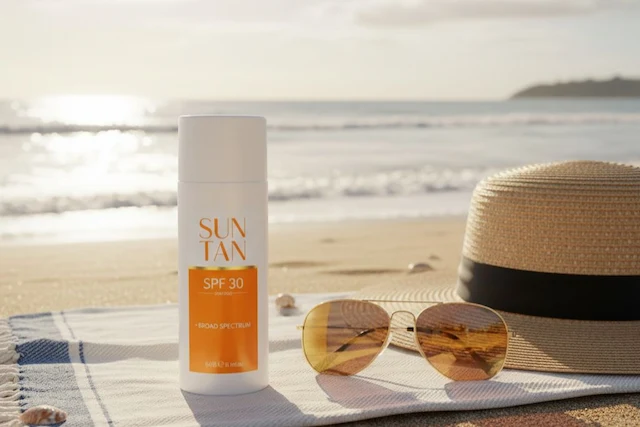
Protecting your skin is a vital part of maintaining long term health and a youthful appearance. While many people enjoy the look of a golden glow, the biological process behind a tan is actually a sign of skin damage. Understanding how Sun Protection Factor (SPF) works and how it interacts with the tanning process is essential for anyone spending time outdoors.
Connection Between UV Radiation and Your Skin
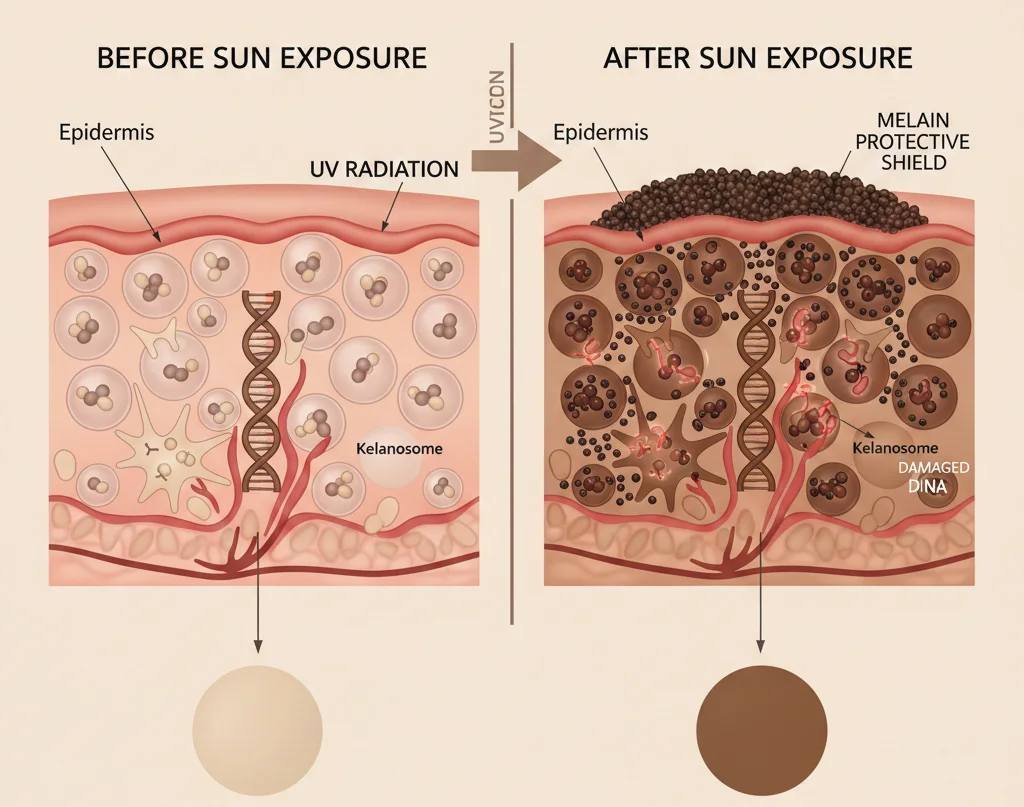
To understand sun tans, we must first look at the sun itself. The sun emits ultraviolet radiation in two primary forms that affect our skin: UVA and UVB.
UVA rays penetrate deep into the dermis, the thickest layer of the skin. These rays are primarily responsible for premature aging, wrinkles, and long term DNA damage. UVB rays are shorter and primarily affect the surface of the skin, causing the visible redness of a sunburn. Both types of radiation contribute to the risk of skin cancer.
How a Tan Forms
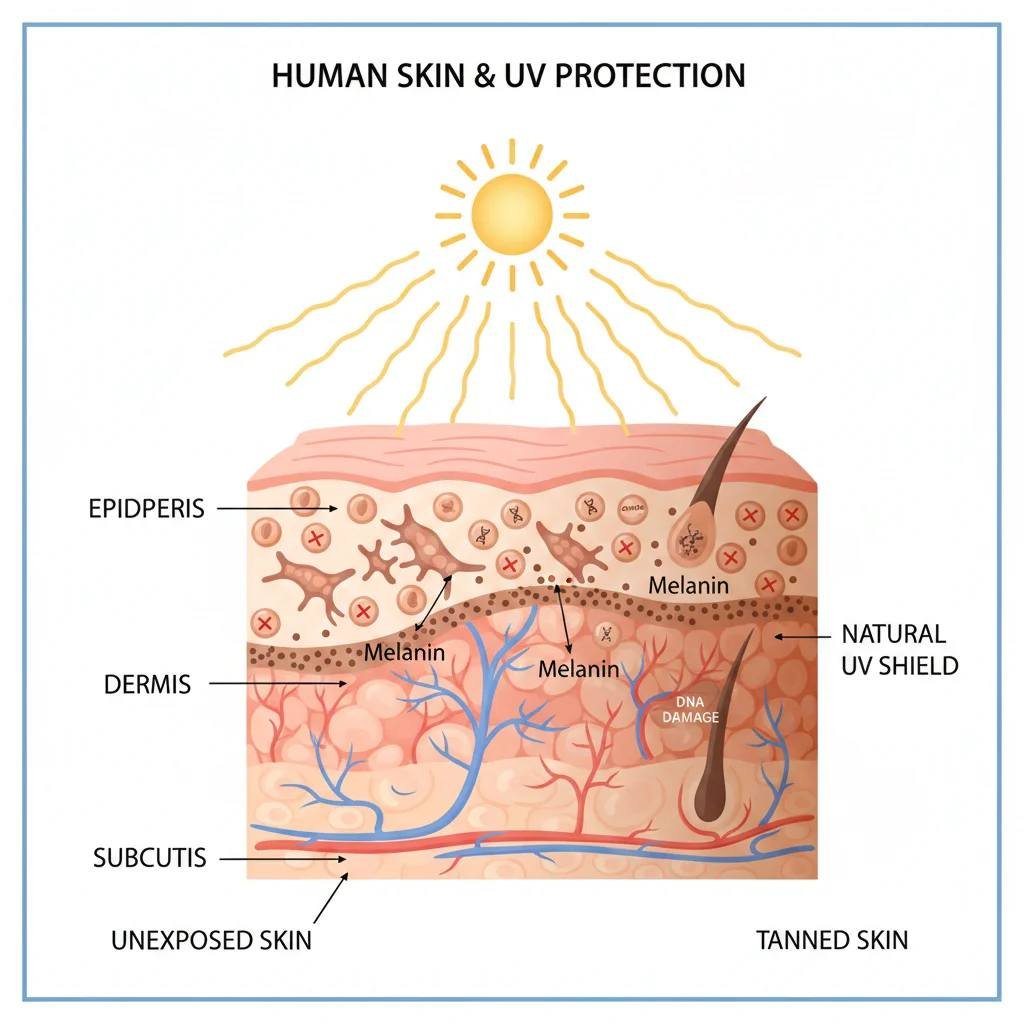
When your skin is exposed to UV radiation, it attempts to protect itself by producing a pigment called melanin. Melanin is what gives your skin its color. A tan is essentially your body’s way of creating a shield to prevent further damage to the cellular DNA. However, by the time you see a visible change in color, damage has already occurred.
Decoding SPF: What the Numbers Actually Mean
SPF stands for Sun Protection Factor. It is a relative measure of how long a sunscreen will protect you from UVB rays compared to how long it would take your skin to burn without any protection.
Math Behind the Number
If you normally begin to burn after 10 minutes of sun exposure, applying an SPF 30 sunscreen theoretically allows you to stay in the sun 30 times longer without burning. This means you would have about 300 minutes of protection. However, this is a laboratory measurement. In the real world, factors like sweat, water, and improper application significantly reduce that window.
Broad Spectrum Protection
It is a common misconception that a high SPF protects against all sun damage. SPF only measures protection against UVB rays. To protect against the aging effects of UVA rays, you must look for a label that says Broad Spectrum. This ensures that the product filters a proportionate amount of UVA radiation along with the UVB.
Choosing the Right Product for Your Needs

Not all sunscreens are created equal. Depending on your skin type and your planned activities, you might choose a physical blocker or a chemical absorber.
- Physical Sunscreens: These contain active mineral ingredients like titanium dioxide or zinc oxide. They sit on top of the skin and reflect UV rays like a mirror. They are excellent for sensitive skin.
- Chemical Sunscreens: These contain organic compounds that absorb UV rays and turn them into heat, which is then released from the skin. They tend to be thinner and easier to spread.
- Water Resistance: No sunscreen is truly waterproof. Labels will typically specify if a product is water resistant for 40 or 80 minutes. Always reapply after swimming or towel drying.
Comparison of SPF Levels
| SPF Level | UVB Protection Percentage | Best Use Case |
| SPF 15 | 93 percent | Daily wear for brief periods outside |
| SPF 30 | 97 percent | Outdoor activities and extended exposure |
| SPF 50 | 98 percent | High altitude, beach days, or fair skin |
| SPF 100 | 99 percent | Maximum protection for extreme conditions |
Best Practices for Application and Safety
The biggest mistake people make is not using enough product. To achieve the SPF rating on the bottle, the average adult needs about one ounce of sunscreen to cover their entire body. This is roughly the amount that would fill a shot glass.
Essential Tips for Sun Safety
- Apply sunscreen at least 15 minutes before going outside to allow it to bond with your skin.
- Reapply every two hours or immediately after swimming or heavy sweating.
- Do not forget easy to miss spots like the tops of the ears, the back of the neck, and the tops of the feet.
- Check the expiration date on your bottle because the active ingredients can degrade over time.
- Seek shade during the peak hours of 10 AM to 4 PM when the sun is at its strongest.
Myth of the Healthy Base Tan
Many people believe that getting a base tan at a tanning salon or through controlled exposure will protect them from a painful sunburn later. This is a dangerous myth. A base tan provides a natural SPF of roughly 3 or 4, which is nowhere near enough to prevent skin damage or cancer. Every time you tan, you increase your risk of melanoma and accelerate the breakdown of collagen in your skin.
If you desire the look of a tan without the risk, sunless tanning products are the safest alternative. Modern self tanners use DHA, a color additive that reacts with the dead cells on the surface of your skin to create a temporary brown color without requiring any UV exposure.
Final Thoughts
Protecting your skin from the sun is not just about avoiding a painful burn today. It is about preserving the health and integrity of your body’s largest organ for the future. By choosing a broad spectrum SPF 30 or higher and practicing smart sun habits, you can enjoy the outdoors while keeping your skin safe and youthful.
