
Blog
Hyperhidrosis Relief: Best Antiperspirants and Tips

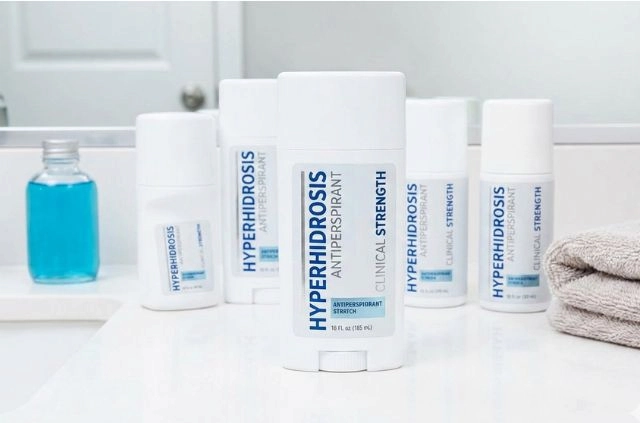
Living with hyperhidrosis can feel like an uphill battle against your own body. Whether it is a damp handshake, sweat stains on a fresh shirt, or the constant anxiety of being “discovered,” excessive sweating is more than just a physical nuisance. It is a condition that impacts confidence and social interactions. Fortunately, for many people, the first line of defense is not surgery or expensive procedures, but the strategic use of high quality antiperspirants.
Understanding Hyperhidrosis and How Topical Treatments Work

Hyperhidrosis is a medical condition characterized by sweating that exceeds what is necessary for body temperature regulation. While everyone sweats when they exercise or get hot, individuals with hyperhidrosis may find their sweat glands active even while they are resting in a cool room.
Antiperspirants work differently than deodorants. While deodorants simply mask or neutralize odor caused by bacteria, antiperspirants contain active ingredients, usually aluminum salts, that temporarily plug the sweat ducts. When you apply these products, the salts dissolve into the moisture on the skin surface, forming a shallow “plug” within the sweat gland. This signal tells the body to stop releasing sweat in that specific area.
The Science of Sweat Blockers
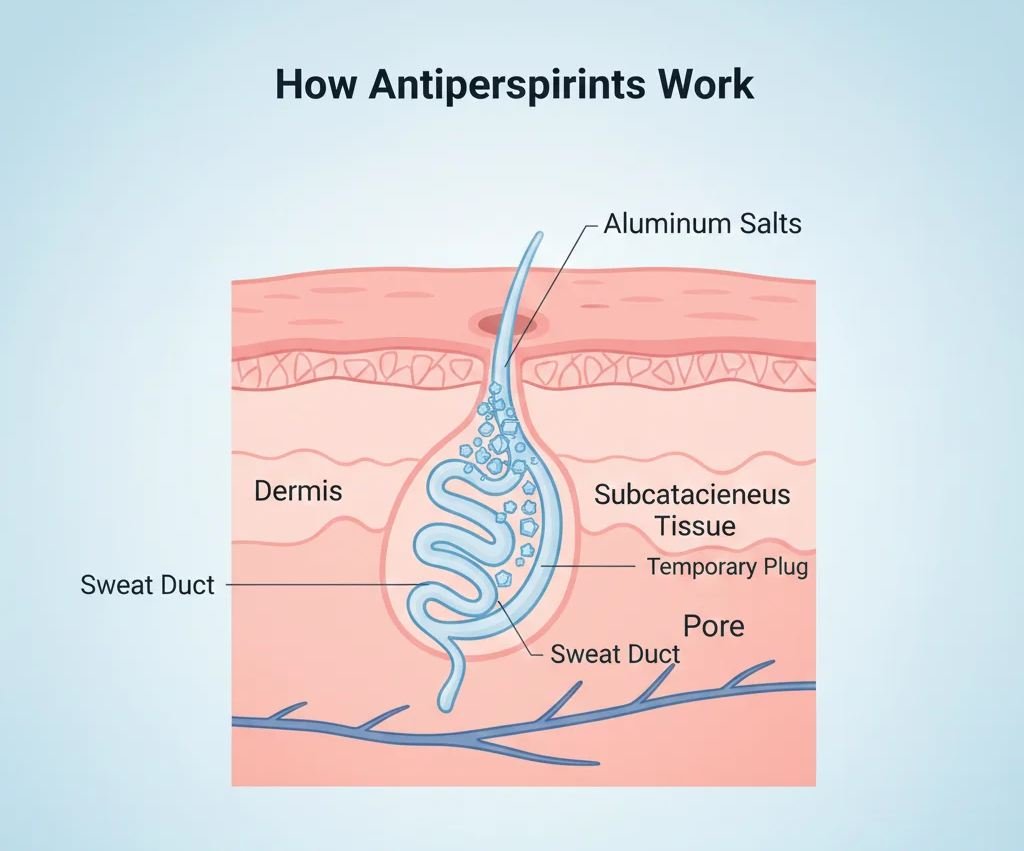
The most common active ingredient in clinical strength options is aluminum chloride or aluminum zirconium. These compounds are highly effective because they create a more robust barrier than the standard products found on grocery store shelves. For someone with primary focal hyperhidrosis, which typically affects the underarms, hands, or feet, these topical applications can reduce moisture production by fifty percent or more.
Choosing the Right Product for Your Needs
Not all antiperspirants are created equal. When you are dealing with a medical level of sweat, you need to look beyond the “cool breeze” scents and focus on the concentration of active ingredients.
Over the Counter Clinical Strength
Most major brands now offer a clinical strength line. These typically contain around twenty percent aluminum zirconium tetrachlorohydrex gly. They are excellent for moderate cases and are readily available without a visit to the doctor.
Prescription Strength Solutions
If the drugstore options fail, a dermatologist might recommend a product containing aluminum chloride hexahydrate. These are significantly more potent and are designed to be used sparingly under specific medical guidance to avoid skin irritation.
Specialized Formulations
Advancements in skin care have led to the creation of wipes, foams, and gels specifically designed for different body parts.
- Underarms: Traditional sticks and roll ons.
- Hands and Feet: High concentration lotions or wipes that absorb quickly.
- Face and Scalp: Specialized wipes or light gels designed to minimize breakouts or residue.
Comparison of Common Antiperspirant Types
| Product Category | Active Ingredient Level | Best For | Application Frequency |
| Regular Antiperspirant | 10 to 15 percent | Mild daily activity | Every morning |
| Clinical Strength | 19 to 20 percent | Moderate hyperhidrosis | Every night or morning |
| Prescription (Drysol) | 20 to 25 percent | Severe hyperhidrosis | 2 to 3 times per week |
| Natural Alternatives | Variable (No Aluminum) | Odor control only | Multiple times daily |
Best Practices for Maximum Effectiveness
Many people claim that antiperspirants do not work for them, but the issue is often the method of application rather than the product itself. To get the most out of a high strength antiperspirant, follow these guidelines:
- Apply at Night: This is the most important rule. Your sweat glands are least active while you sleep, allowing the product to settle into the pores and form an effective plug.
- Dry Skin is Vital: If you apply antiperspirant to damp skin, the chemical reaction happens on the surface rather than inside the pore. This leads to skin irritation and zero sweat protection. Use a hair dryer on a cool setting if necessary.
- Be Consistent: It can take several nights of consecutive use for the plugs to fully form. Once the sweating is under control, you can usually taper off to once or twice a week.
- Avoid Shaving Immediately Before: Applying clinical strength products to freshly shaved skin is a recipe for intense itching and rashes. Wait at least twenty four hours after shaving.
- Wash it Off in the Morning: The plug is already set inside the pore. Washing the surface of your skin in the morning will not remove the effectiveness, but it will help prevent skin irritation throughout the day.
Managing Potential Side Effects
The most common hurdle with hyperhidrosis treatments is skin irritation. Because the active ingredients are acidic, they can cause redness, stinging, or peeling. If you experience discomfort, try applying a thin layer of hydrocortisone cream the following morning or reduce the frequency of application. If a rash persists, it is important to consult a healthcare professional to rule out an allergic reaction or a fungal infection.
When to See a Doctor
While topical treatments are a fantastic starting point, hyperhidrosis can sometimes be a symptom of an underlying condition like thyroid issues or infection. If your sweating is accompanied by weight loss, night sweats that soak your sheets, or chest pain, seek medical advice immediately. Furthermore, if topical treatments do not provide relief after a month of consistent use, you may be a candidate for other therapies such as iontophoresis, Botox injections, or oral medications.
