
Blog
Low Porosity Hair Care Guide: Best Oils, Products & Tips


Low porosity hair can be a source of frustration for many people in the beauty community. While this hair type is often very healthy because the cuticles are tightly closed, those same closed cuticles make it incredibly difficult for moisture to enter the hair shaft. If you have ever noticed that water beads up on your hair or that products seem to sit on top of your strands without absorbing, you likely have low porosity hair. Choosing the right products is not just about style; it is about the science of hydration
Identifying Low Porosity Hair
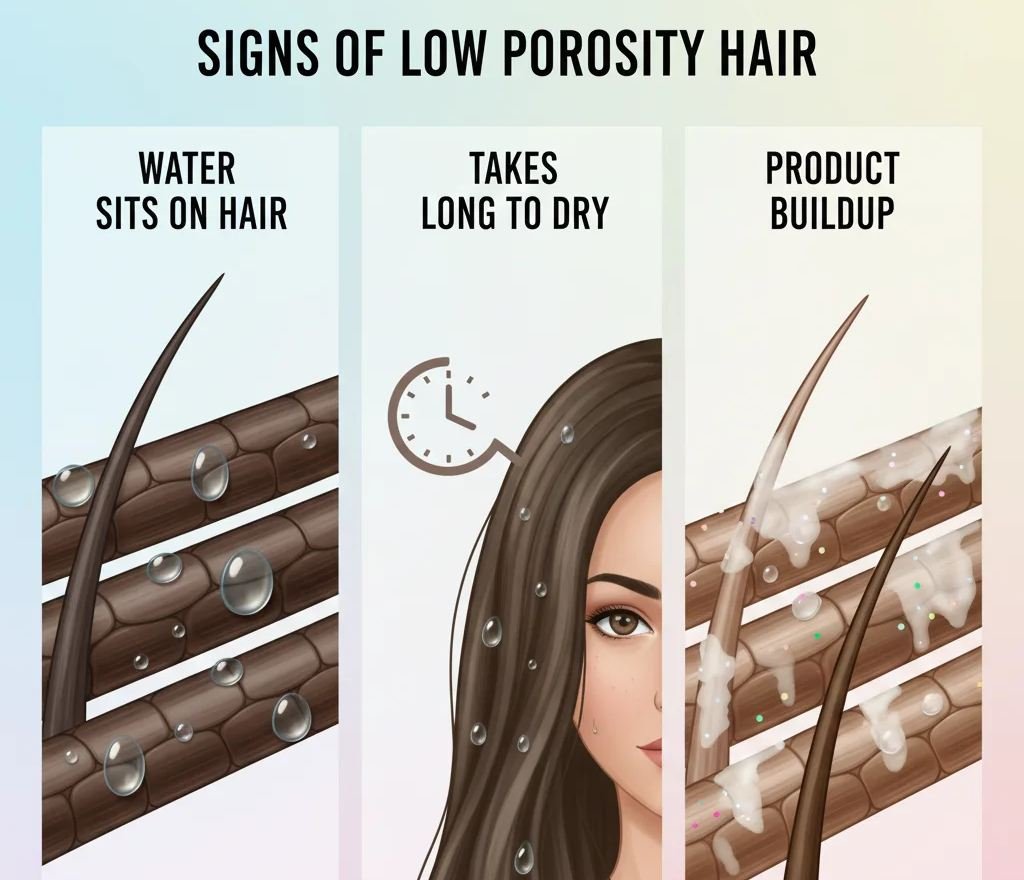
Before investing in a new regimen, you must confirm that your hair is actually low porosity. This hair type features a cuticle layer that overlaps tightly like shingles on a roof. Because the hair is so good at sealing itself, it resists moisture, oils, and even chemical treatments.
Common Signs of Low Porosity Hair:
- Products take a long time to soak in or cause immediate buildup.
- Hair takes several hours or even a full day to air dry.
- Water droplets sit on the surface of the hair during a shower.
- Hair lacks elasticity and can feel stiff if too much protein is applied.
Understanding these traits helps you avoid heavy creams and butters that will only weigh your hair down and cause scalp irritation.
Best Oils for Low Porosity Hair
One of the biggest mistakes individuals with low porosity hair make is using heavy oils like castor oil or olive oil. These oils have large molecular structures that cannot penetrate a tight cuticle. Instead, you should look for lightweight oils that can slip through the narrow gaps.
Essential Oils to Incorporate
- Sweet Almond Oil: This is very light and provides excellent shine without the grease.
- Argan Oil: Known as liquid gold, it is small enough to penetrate the hair shaft.
- Grapeseed Oil: An incredibly light oil that also acts as a natural heat protectant.
- Jojoba Oil: This oil closely mimics the natural sebum produced by your scalp.
Using these oils as a pre wash treatment or a light sealant can help maintain softness without causing the dreaded product buildup that plagues this hair type.
Ingredients to Seek and Avoid
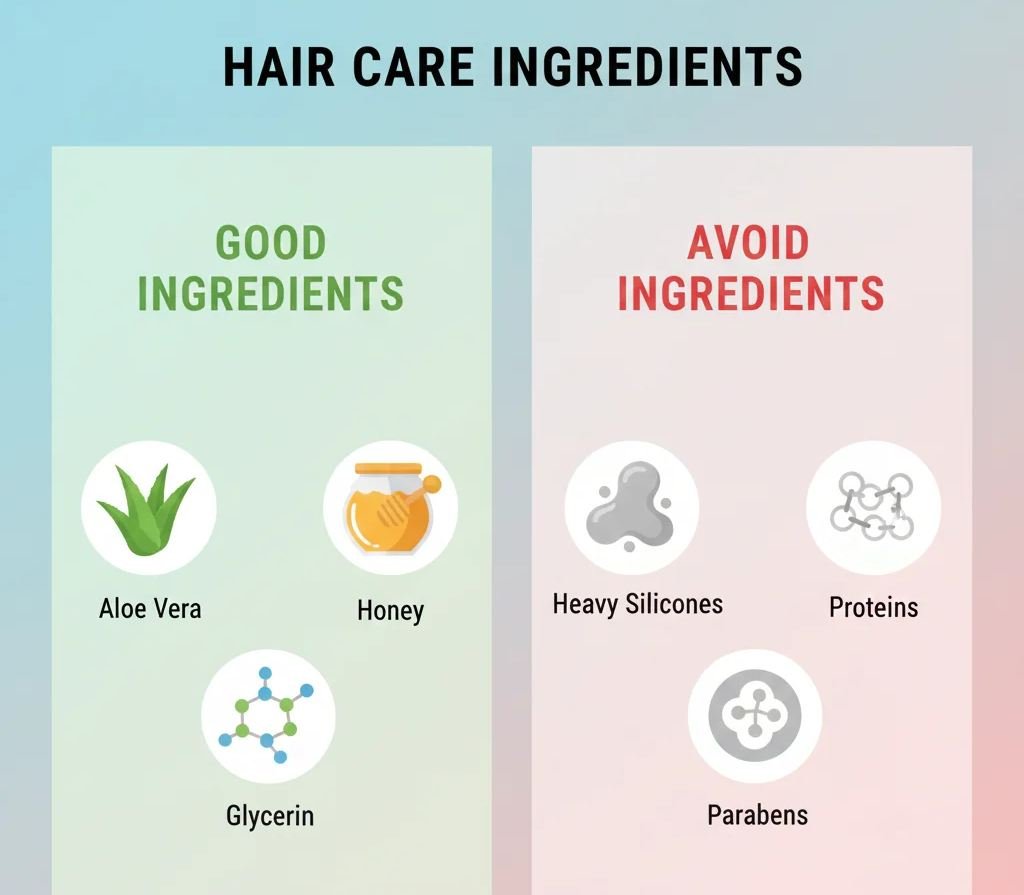
When reading labels on the back of your shampoo and conditioner bottles, certain ingredients will be your best friends, while others will be your enemies. Low porosity hair craves humectants, which are ingredients that pull moisture from the air into the hair.
Recommended Ingredients
- Glycerin: A powerful humectant that keeps hair hydrated.
- Honey: A natural moisture magnet that adds softness.
- Aloe Vera: Provides hydration without a heavy residue.
- Panthenol: Also known as Vitamin B5, it helps strengthen the hair without the stiffness of protein.
Ingredients to Limit
You should generally avoid heavy proteins and silicones. Low porosity hair is already protein rich. Adding more protein can lead to protein overload, making the hair brittle and prone to breakage. Non water soluble silicones should also be avoided as they create a barrier that prevents moisture from entering the hair for days.
Comparison of Product Types for Low Porosity
Choosing the right formula is crucial. Below is a table to help you distinguish between what works and what typically fails for this specific hair type.
| Product Category | What to Choose | What to Avoid |
| Shampoo | Clarifying and chelating formulas | Ultra creamy or “heavy repair” shampoos |
| Conditioner | Lightweight and water based | Thick masks with heavy proteins |
| Leave In | Liquid sprays or milks | Heavy jars of shea butter or creams |
| Styling | Gels and mousses | Heavy waxes or thick pomades |
| Deep Treatment | Heat activated treatments | Cold treatments or protein packs |
How to Apply Products for Maximum Absorption
The secret to managing low porosity hair is not just the product itself, but how you apply it. Because the cuticles are closed, you need to use external factors to open them up.
Power of Heat
Heat is the most effective way to open the hair cuticle. When you apply a deep conditioner, use a hooded dryer, a steamer, or a warm towel. This allows the product to actually enter the hair shaft rather than sitting on the surface. Always rinse with lukewarm water rather than cold water to ensure the products stay trapped inside before the final seal.
LCO Method
Many people in the USA hair community swear by the LCO method for low porosity hair. This stands for Liquid, Cream, and Oil.
- Liquid: Start with a water based spray or a very light leave in.
- Cream: Apply a light moisturizing cream to provide softness.
- Oil: Finish with a tiny amount of lightweight oil to seal the moisture in.
By following this specific order, you ensure that the heaviest layer is on the outside, preventing the inner moisture from evaporating.
Importance of Clarifying
Since products tend to sit on top of low porosity hair, buildup happens much faster than with other hair types. This buildup can lead to an itchy scalp and dull looking hair. Using a clarifying shampoo once every two weeks is essential. This removes the film left behind by products and hard water minerals, giving your hair a fresh start to absorb moisture again.
Maintaining the Balance
The goal for low porosity hair is always balance. You want enough moisture to prevent dryness but not so much product that the hair becomes limp. Always listen to your hair; if it feels mushy, you might need a tiny bit of protein. If it feels like straw, it is time for a deep, heat activated moisture treatment.
