
Blog
Dandruff vs Dry Scalp: Key Differences and Treatments
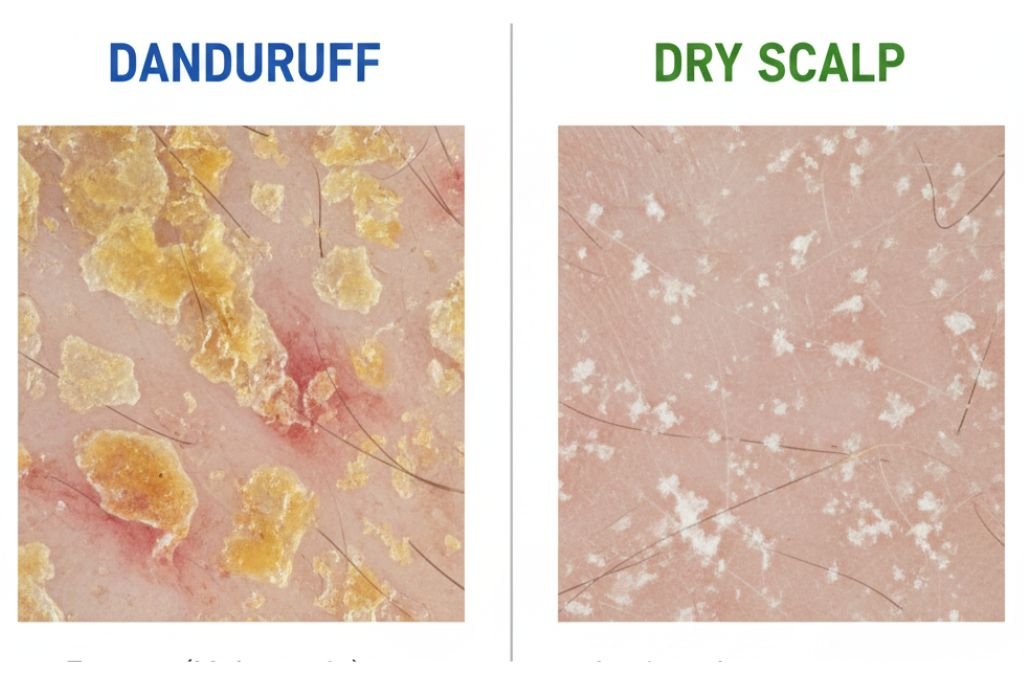

Many people wake up to find white flakes on their shoulders and immediately assume they have dandruff. However, there is a significant chance that the culprit is actually a dry scalp. While both conditions cause itching and flaking, they are biologically different and require unique treatments. Using a dandruff shampoo on a dry scalp might actually make the irritation worse. This article explores the nuances of both conditions to help you find the right relief.
What is a Dry Scalp?
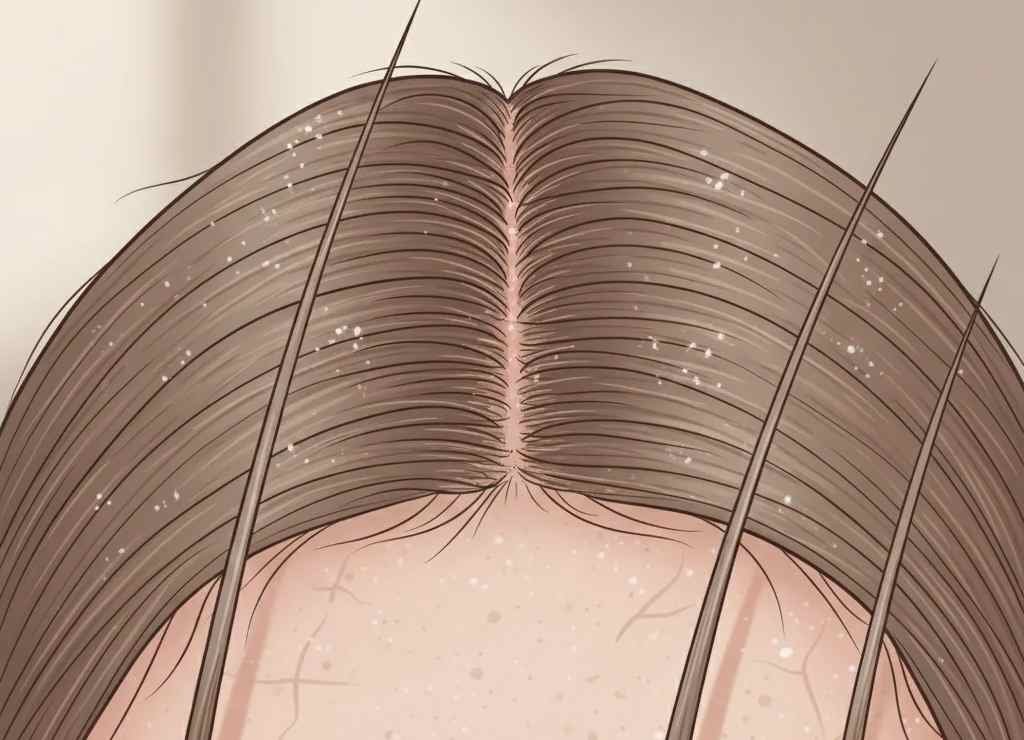
A dry scalp occurs when your skin does not have enough moisture or natural oils to stay lubricated. Just like the skin on your arms or legs can become parched and flaky, your scalp can lose its hydration. When the skin dries out, it becomes irritated and the top layer begins to flake off.
Common Causes of Dry Scalp:
- Cold Weather: Low humidity during winter months strips moisture from the skin.
- Excessive Washing: Cleaning your hair too often can remove the protective oils.
- Harsh Products: Shampoos with strong sulfates or alcohols can cause a reaction.
- Aging: As we get older, our skin naturally produces less oil.
The flakes associated with a dry scalp are typically small, white, and very dry. If you notice that your skin is also dry on other parts of your body, your scalp issues are likely related to hydration levels.
What is Dandruff?

Unlike dry scalp, dandruff is often related to an overabundance of oil. The medical term for chronic dandruff is seborrheic dermatitis. The primary driver is often a yeast like fungus called Malassezia. This fungus lives on the scalps of most adults, but for some, it causes an inflammatory reaction.
The fungus feeds on the sebum (natural oils) produced by your hair follicles. As it breaks down the oil, it creates oleic acid. If your skin is sensitive to this acid, your body speeds up the process of skin cell turnover. Instead of taking a month to grow and shed, the cells shed in just a few days, clumping together to form visible flakes.
Common Symptoms of Dandruff:
- Oily Flakes: These are usually larger and may look yellow or gray.
- Scalp Odor: Excessive oil and fungal activity can sometimes cause a mild scent.
- Stubborn Itch: The inflammation from the fungus causes a persistent need to scratch.
- Redness: The scalp may appear pink or inflamed in certain patches.
Direct Comparison: How to Tell Them Apart

Distinguishing between the two is the first step toward effective treatment. If you treat dandruff with heavy oils, you might actually feed the fungus and make it worse. Conversely, if you use a harsh medicated shampoo on a dry scalp, you will strip away what little moisture remains.
Quick Visual Guide
| Feature | Dry Scalp | Dandruff |
| Flake Appearance | Small, white, and papery | Large, oily, and yellow or gray |
| Scalp Feeling | Tight and dry | Oily or greasy |
| Skin Condition | Other body parts are often dry | Skin may feel oily even while flaking |
| Common Trigger | Cold air or dehydration | Fungal growth or oil buildup |
| Itch Level | Mild to moderate | Often intense and persistent |
Treatment Strategies for Every Condition
Once you have identified your specific issue, you can choose a targeted approach.
Treating Dry Scalp:
- Switch to Gentle Products: Use sulfate free shampoos that focus on hydration.
- Scalp Oils: Apply natural oils like jojoba or coconut oil to the scalp before washing to lock in moisture.
- Wash Less Frequently: Try to limit hair washing to two or three times a week.
- Use a Humidifier: Adding moisture to your indoor air during winter can prevent your skin from drying out.
Treating Dandruff:
- Antifungal Shampoos: Look for active ingredients such as Ketoconazole, Zinc Pyrithione, or Selenium Sulfide.
- Exfoliation: Use a scalp scrub to gently remove the buildup of oily skin cells.
- Consistency: Medicated shampoos often need to sit on the scalp for three to five minutes to work effectively.
- Stress Management: High stress levels can weaken your immune system and trigger a dandruff flare up.
When to See a Doctor
While most cases of flaking can be managed with over the counter products, some situations require professional help. If you notice crusting, bleeding, or extreme redness, you may have a condition like psoriasis or eczema.
If your scalp does not improve after a month of targeted treatment, a dermatologist can provide a prescription strength solution. They can also perform a scalp biopsy if the cause of the inflammation is unclear.
Final Thoughts on Scalp Health
Maintaining a healthy scalp is just as important as caring for your hair strands. By understanding the biological differences between dandruff and dry scalp, you can avoid unnecessary irritation and keep your hair looking its best. Remember that your scalp environment changes with the seasons, so be prepared to adjust your routine as the weather shifts.